
01
Residential & mixed use
Comfort, accessibility and dependable daily movement.
Residential and mixed-use developments need systems that balance passenger experience, available space, traffic patterns and long-term serviceability.
Systems configured around each operating environment.
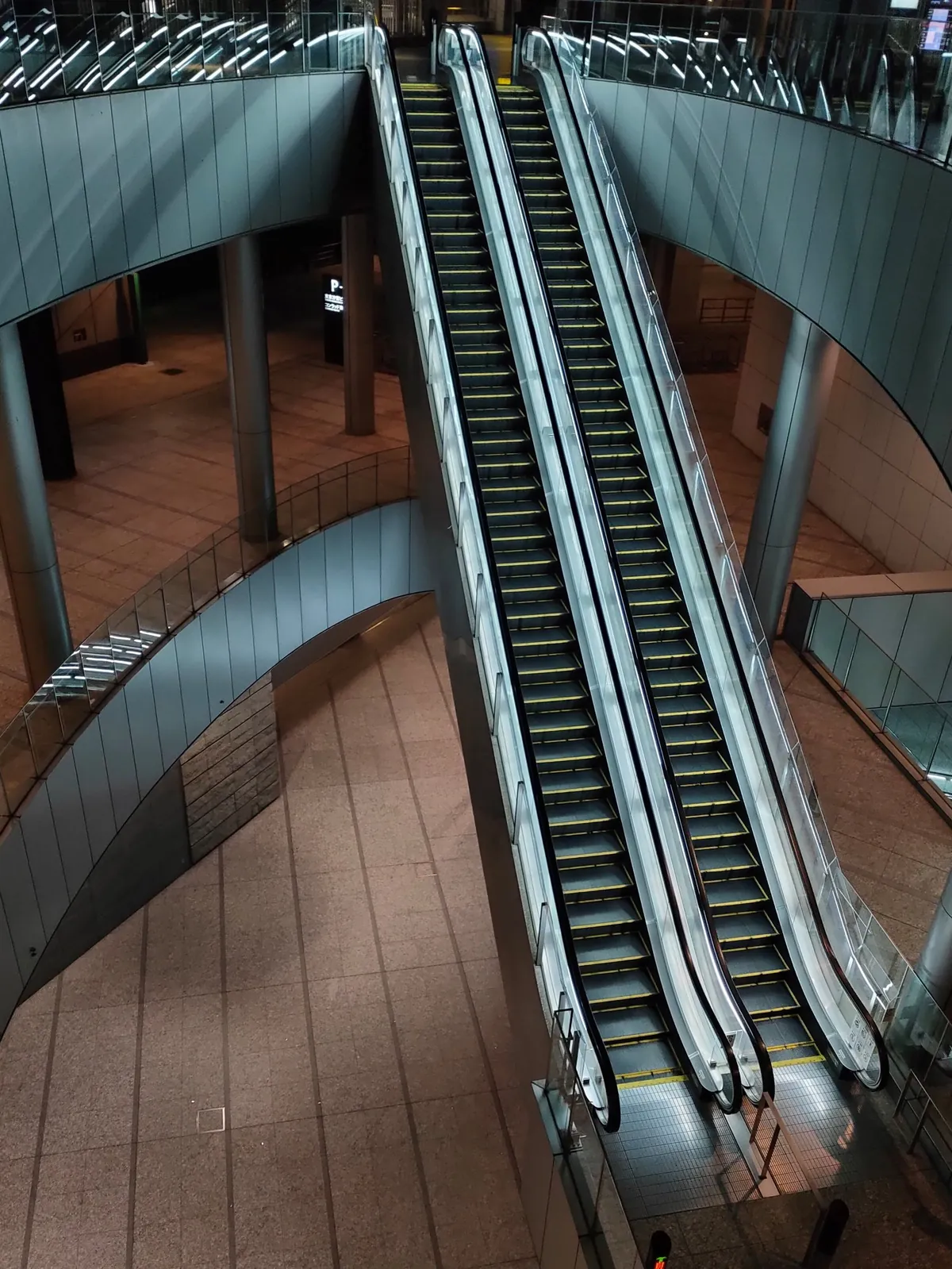
Move through each operating environment to see the priorities that should shape system selection.
Comfort, accessibility and dependable daily movement.
Residential and mixed-use developments need systems that balance passenger experience, available space, traffic patterns and long-term serviceability.
High footfall, clear circulation and operational continuity.
Retail and commercial buildings rely on coordinated people movement and access systems that can support changing occupancy throughout the day.
Predictable movement for people, beds, equipment and supplies.
Institutional environments require careful consideration of cabin use, movement priority, accessibility, cleaning routines and operational resilience.
Safe transfer, fast access and reduced disruption at busy interfaces.
Warehouses and distribution facilities depend on coordinated door and dock systems that support vehicle movement, loading activity and intensive operating cycles.
Controlled access around intensive processes and material movement.
Manufacturing sites need access systems selected around frequency, opening speed, internal zoning, environmental control and service access.
Quiet, intuitive movement across guest and service journeys.
Hospitality projects combine front-of-house experience with back-of-house logistics, requiring a clear distinction between guest, staff and goods movement.
Clear specification, accessibility and durable operation.
Public and infrastructure projects benefit from systems coordinated around user volume, accessibility, documentation and maintainability.
Buildable technical information at the point decisions are made.
MUVE works with project teams to align equipment requirements, interfaces, spatial constraints and installation planning before they become site issues.
A hospital, residence, logistics facility and retail destination may use similar technologies, but their traffic, duty cycles, interfaces and service priorities are not the same.
People, beds, vehicles, pallets and goods create different requirements for dimensions, capacity and control.
Frequency and peak demand influence duty, speed, traffic handling and maintenance planning.
Structure, floor levels, door openings, loading edges and site access must align with the selected equipment.
Temperature, hygiene, internal zoning, weather exposure and operating hours shape practical system choices.